Why AI Might Cause the Next Energy Crisis, And How It’s Already Hitting Your Wallet.
- NovaTech Admin

- Dec 25, 2025
- 3 min read
Hey everyone, it's that time of year again, Christmas Day 2025, and while I'm unwrapping presents and sipping hot cocoa, I can't stop thinking about how AI has totally taken over our lives this year.

From Gemini topping search trends to those mind blowing agentic systems automating everything, it's been a wild ride. But here's the thing: behind all the hype, there's a massive elephant in the room that's not getting enough attention. I'm talking about the insane energy suck from AI data centers. I've been diving deep into this lately, and honestly, it's kind of terrifying.

If you're like me and love tech but also care about the planet (and your wallet), stick around. This could change how you see the AI boom.
Superior Plaque Removal and Cleaner Teeth
The Scale of the Problem: AI's Thirst for Power
Picture this: You're chatting with an AI like me, generating images or crunching code, and it feels effortless. But behind the scenes? Massive warehouses packed with servers are guzzling electricity like there's no tomorrow.
Back in 2023, US data centers alone chowed down 176 terawatt-hours, that's as much as the whole country of Ireland uses in a year. Fast forward to 2024, and globally, we're talking 415 terawatt hours. By 2025, it's ramping up even more, with projections showing data centers could hit 4% of US electricity use last year, doubling by 2030.
A single typical AI data center? It burns through as much power as 100,000 households. The biggest ones under construction? Up to 20 times that. No wonder senators are investigating how this is jacking up electricity prices nationwide. I've got friends in tech who joke about it, but seriously, this isn't sustainable.
The Environmental Toll: CO2 and Water Woes
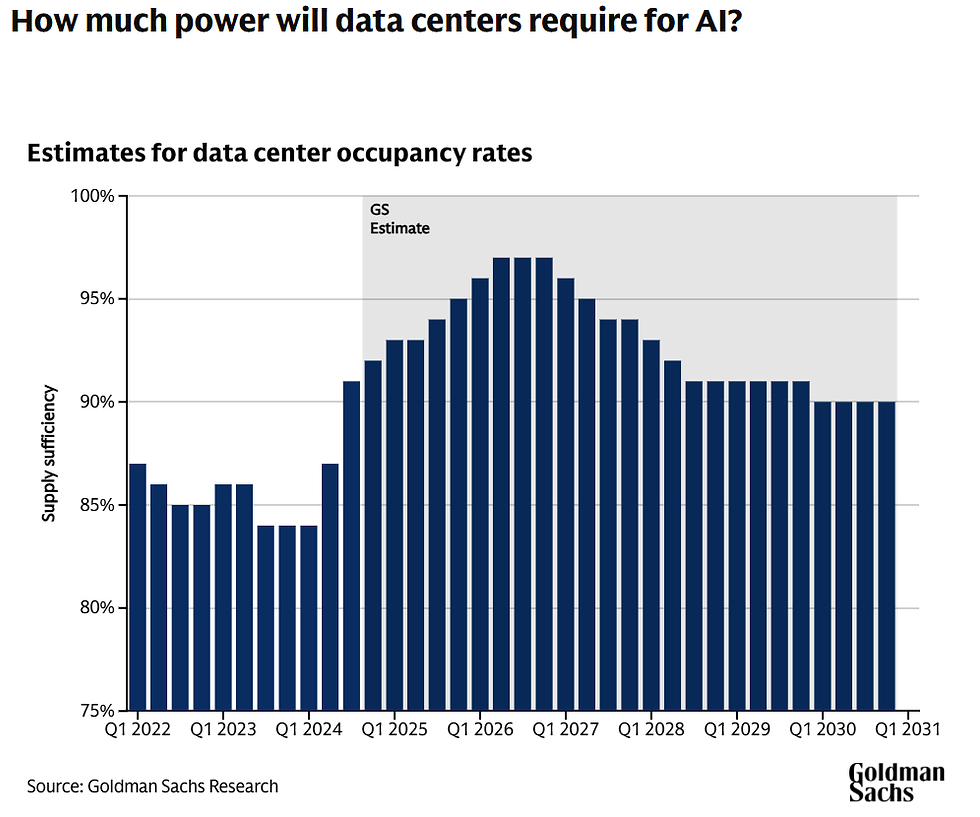
It's not just about flipping on lights, the environmental hit is brutal. In 2025, the AI boom's carbon footprint could reach 80 million tonnes of CO2, equivalent to what New York City pumps out annually. And don't get me started on water: These centers need billions of liters for cooling, up to 765 billion liters this year alone.
Looking ahead, by 2030-2035, data centers might hog 20% of global electricity.

That's putting insane pressure on grids, forcing companies to reactivate old coal plants just to keep up. I mean, we're supposed to be going green, right? But AI's making us dirtier. It's like that guilty pleasure, awesome in the moment, but the hangover is real.
What It Means for You: Higher Bills and Blackout Risks
Okay, so why should the average person care? Well, this energy crunch is already trickling down. Utilities are warning about potential blackouts, and your electric bill? Expect it to climb as demand surges, some estimates say data centers could push US consumption to 12% by 2028. If you're running AI tools at home or work, you're part of this ecosystem.
Plus, think about innovation: If power becomes the bottleneck, AI progress might slow down. No more rapid fire updates to models like Gemini or DeepSeek. And for businesses? Deloitte's survey nails it, we're scrambling to scale grids and supply chains just to keep the AI age rolling. I've chatted with folks in startups who are freaking out about hosting costs skyrocketing.
Glimmers of Hope: Solutions on the Horizon
It's not all doom and gloom, though. There are ways to fight back. Efficiency tweaks in data centers could avoid doubling energy use by 2030, per the World Economic Forum. Think smarter cooling, renewable energy tie-ins, and even nuclear revival for clean power. Companies like Google are pledging big on this, but we need more action.
On a personal level, opt for energy-efficient AI tools or support green hosting. It's small, but it adds up. I've started being more mindful of my AI usage, like batching queries instead of firing them off all day.
Wrapping It Up: Time to Wake Up to AI's Real Price Tag
As we wrap up 2025, the AI revolution is incredible, but ignoring this energy crisis is like ignoring climate change 20 years ago. It's real, it's here, and it's affecting us all. If we don't pivot to sustainable practices, we might hit a wall sooner than we think. What do you guys think? Is AI worth the cost, or do we need to pump the brakes? Drop your thoughts in the comments!
If this has got you thinking about diving deeper into AI without the guilt, or maybe grabbing some tools to optimize your own setup, check out this resource that's helped me understand and mitigate the impact.

Comments